Belcarra Garden Club
BC, Canada
Planning Gardens for Spring Pollinators
Early Pollinators
We haven’t had much of a winter, and yet spring is already knocking at the door! The Great Backyard Bird Count (February 13–16) was a great start to waking up those observational skills. Now it’s time to start watching for those early pollinators.
Early Pollinators to Watch For
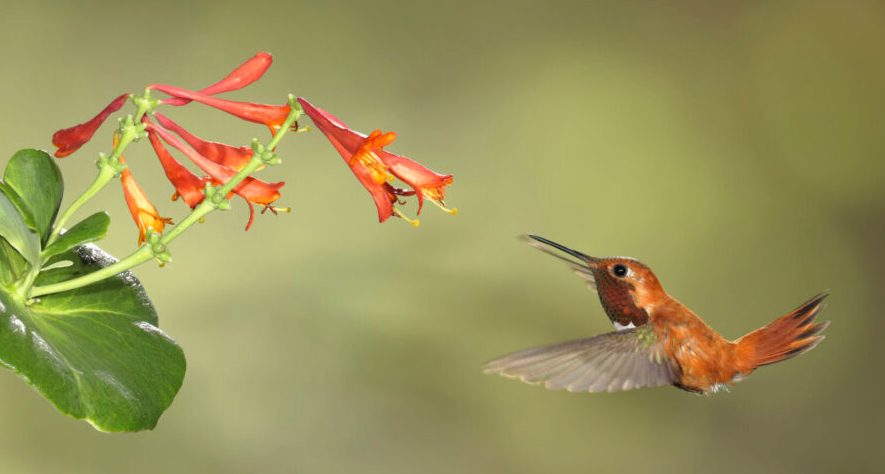
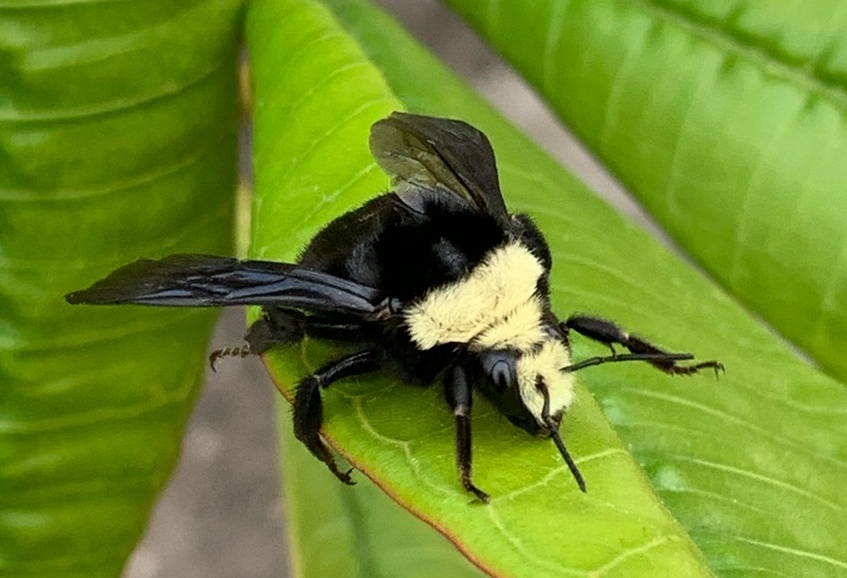
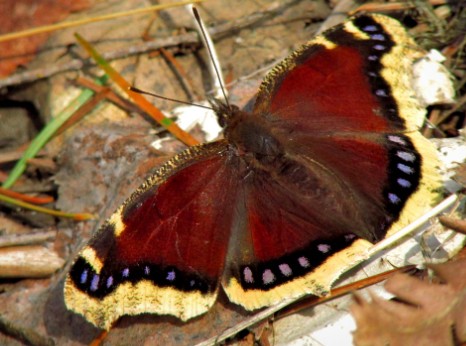
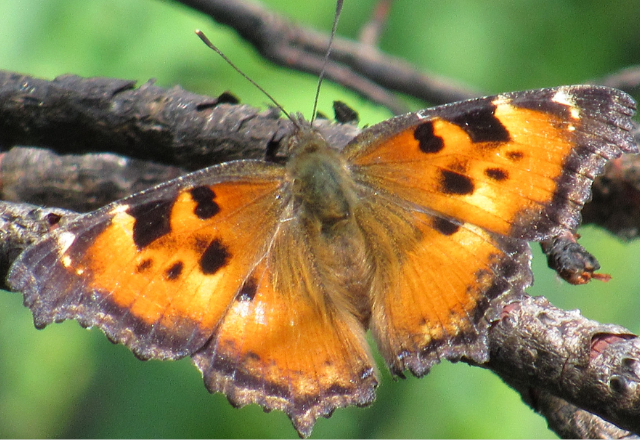
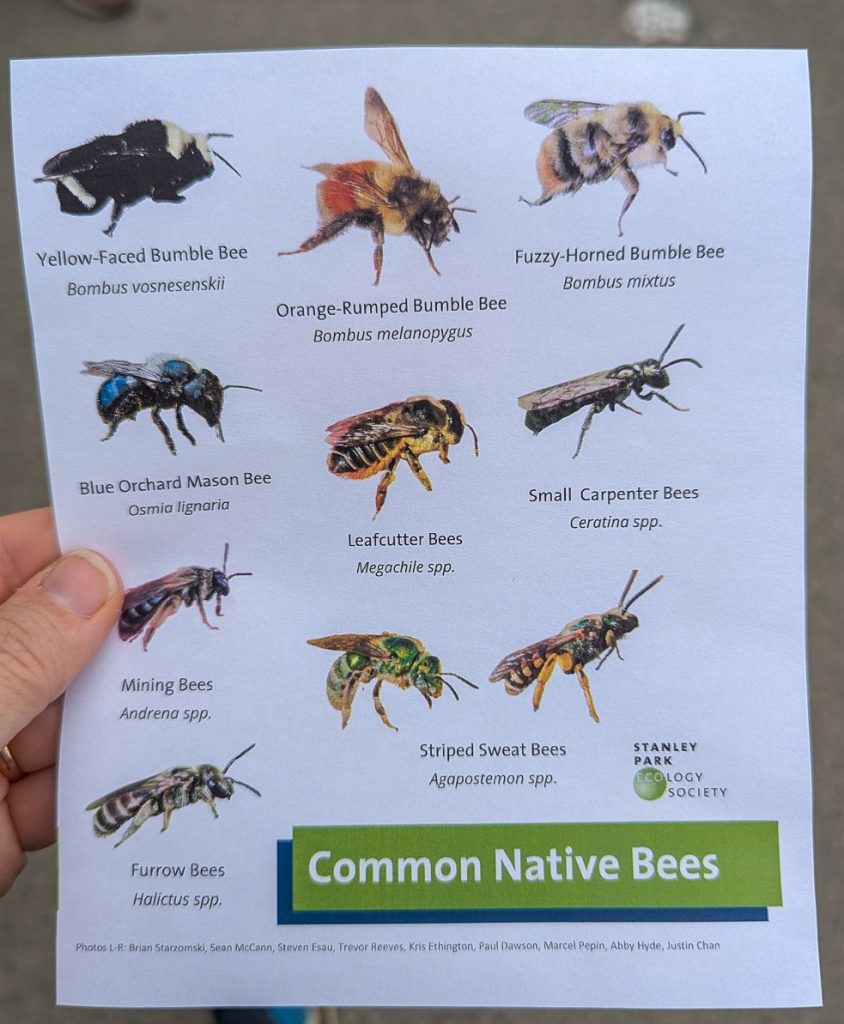
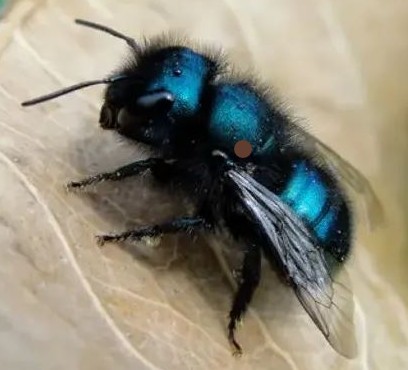
The Anna’s Hummingbirds remain all year, but March brings many bonuses, like the arrival of Rufous Hummingbirds and the emerging Yellow‑faced Bumblebees (Bombus vosnesenskii) and Mourning Cloak Butterflies. Maybe you are one of our locals who enjoys releasing Mason bees. (Did you know that the Blue Orchard Mason Bee (Osmia spp.) can do the pollination work of 100 honeybees?)
Other early guests to our gardens include Black‑tailed Bumblebees (Bombus melanopygus), Sweat Bees (Halictidae spp.), and Mining Bees (Andrena spp. – small fuzzy bees that nest in the ground). There are also Bee Flies (Bombyliidae), Hoverflies (Syrphid flies – they look like tiny wasps and their larvae eat aphids!), the California Tortoiseshell Butterfly (it winters in the forest), and early spring Native Moths.
Our temperate, damp coastal climate (Zone 7/8) gives us an earlier start than much of Canada. Aren’t we lucky! However, the energy reserves of these little critters are low and natural nectar sources are few, so by choosing the right plants we can help provide a vital lifeline. By learning which pollinators emerge early and how to support them, we can make a real difference in their survival.
 |
 |
 |
 |
|---|---|---|---|
Rufous Hammingbird Rocky Point Bird Observatory- jmoran |
Yellow-faced Bumblebee iNaturalist photo |
Mourning Cloak Butterfly pixabay image |
Caliornia Tortoiseshell Butterfly |
 |
 |
|---|---|
Stanley Park Ecology Sociey poster |
Blue Orchard Mason Bee |
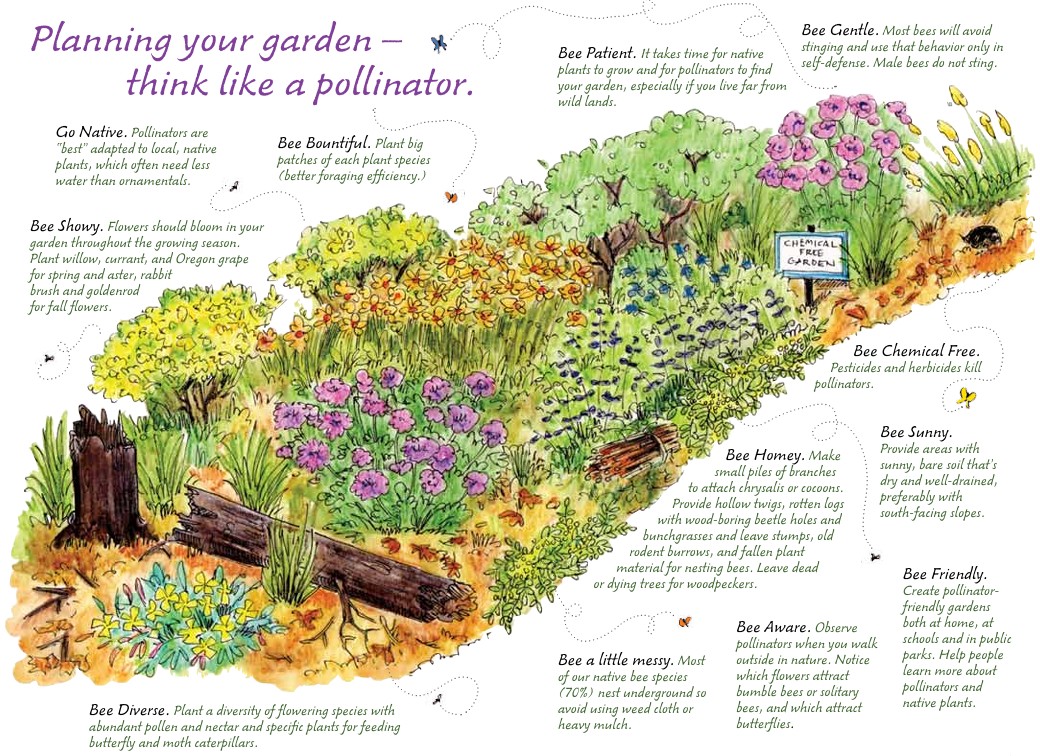
What a lovely illustration! It is by Nancy Seiler from the USDA PDF Attracting Pollinators to Your Garden Using Native Plants
Native Plants That Support Them
Most of our native pollinators are attuned to the blooming of native plants, and a walk through our Belcarra trails will show you why we are in an ideal area! Some parts of Belcarra are a few degrees cooler, so our natives may be blooming a few weeks later than in other areas.
* You will be noticing Willow (Salix) catkins, Heather, Crocuses, and Snowdrops already.
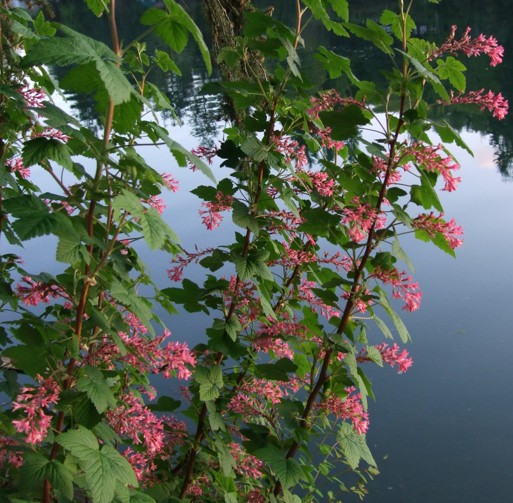
* Known as a “Pollinator Magnet,” the Red Flowering Currant (Ribes sanguineum) tops the list as the number one spring favourite. Returning hummingbirds and early bumblebee queens adore them. It enjoys full sun to partial shade and thrives in well‑drained, rocky soils.
*Salmonberry (Rubus spectabilis) is next, being one of the first berries to flower. Moist, partly shaded spots are preferred.
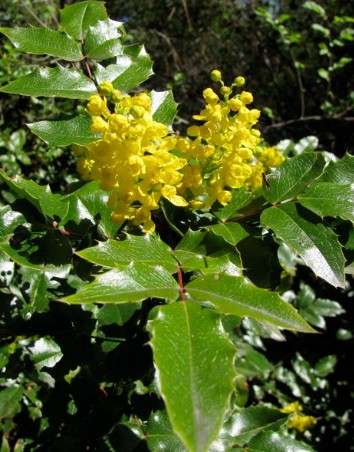
*Oregon Grape (Mahonia aquifolium) has cheerful yellow flower clusters that “buzz with bees” in early spring. Birds enjoy the blueberries later on. It is one of the super‑hardy plants that tolerate almost all conditions.
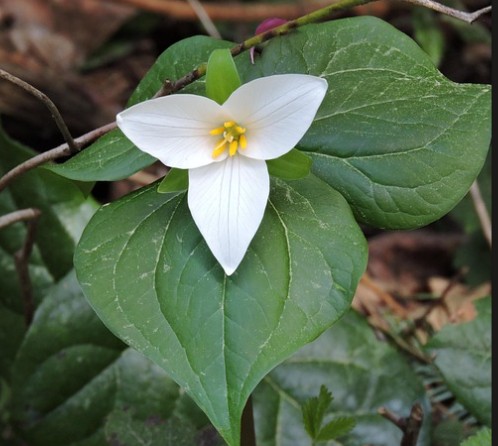
*The white blossoms of Western Trillium (Trillium ovatum) are a classic sign of coastal spring. You’ll find them in shady areas with rich, humus soil.
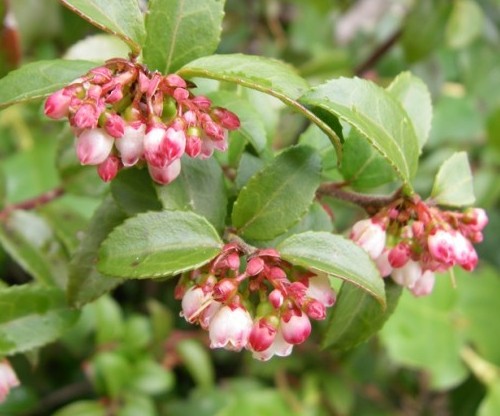
*Evergreen Huckleberry (Vaccinium ovatum) blooms a bit later (April–May). Bees love the delicate, bell‑shaped flowers. It prefers partial shade and acidic soil.
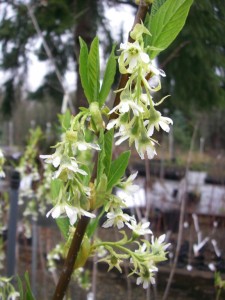
*Osoberry (Indian Plum, Oemleria cerasiformis) has small white flowers that smell like watermelon. It adapts to sun or shade.
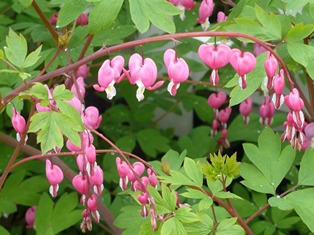
*Western Bleeding Heart (Dicentra formosa) loves moist, rich soil and shade. The delicate pink flowers are loved by butterflies and long‑tongued bees.
 |
 1.jpg) |
 |
|---|---|---|
Red flowering Currant |
Salmonberry |
Oregon Grape Mahonia |
 |
 |
 |
Western Trillium |
Evergreen Huckleberry |
Bleeding Heart |
 |
 |
|
|---|---|---|
Indian Plum |
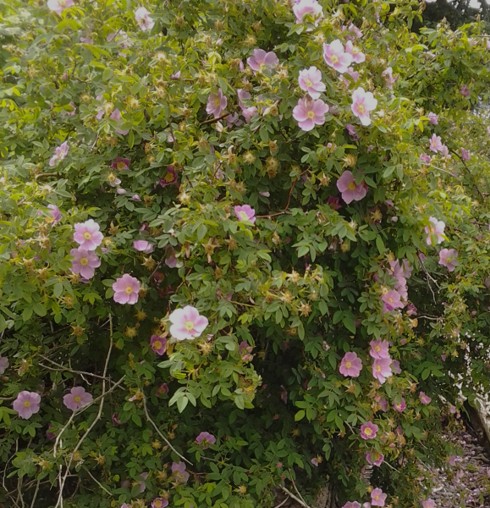
Nootka Rose |
Most photos are from Native Plants PNW | An Encyclopedia of the Cultural and Natural History of Northwest Native Plants , others are free from Pixabay.
How You Can Help in Our Own Gardens and at Home
*As you may already be aware, do NOT clean up all those messy leaves until temperatures are consistently about 10 °C. Many local butterflies, like the Mourning Cloak, and other insects hibernate in leaf litter.
*Create a “puddle station.” Bees need water but can easily drown. Place a shallow dish with stones in it near your flowers.
*Skip pesticides and herbicides. Early spring is when pollinators are most vulnerable.
*
Consider turning off outdoor lights at night. Our native moths are important for pollinating night‑blooming natives.
Many nurseries now sell native plants (don’t disturb our parks!). Look for a “BC Native” tag. These plants are adapted to our soil, our rain, our summers! (Note: it seems that Dandelions aren’t very nutritious, so don’t rely on that tactic!) Later on, you could think about succession planting so that food sources for our pollinators continue well past spring.
- March: Red Flowering Currant, Salmonberry, Indian Plum
- April: Pacific Bleeding Heart, Western Trillium, Lupines
- May: Nootka Rose, Ocean Spray
- June–July: Mock Orange, Red Columbine, Bee Balm
- August–September: Goldenrod, Asters
- October: Sedum — and leave seed heads for overwintering insects
Fun fact: Native bees are three times more effective pollinators than honeybees for local plants. Every small garden choice helps support our local pollinators—and the ecosystems that depend on them.Why not indulge your early gardening spirit and add just one early‑blooming pollinator plant to your garden this month!
Local Resources
- BGC – Belcarra Garden Club
- Burke Mountain Naturalists events
- Metro Vancouver’s Pollinator Pathway initiative
- iNaturalist
Related Links:
OUR BC POLLINATORS
All About Birds - Rufous Hummingbird
https://www.allaboutbirds.org/guide/rufous_hummingbird
Breeding Birds of BC - Rufous Hummingbird
https://birdatlas.bc.ca/accounts/speciesaccount.jsp?sp=RUHU&lang=en
Butterfly Identification - Mourning Cloak Butterfly
https://www.butterflyidentification.com/mourning-cloak.htm
Canadian Entomology Society - Mourning Cloak Butterfly
https://esc-sec.ca/2018/05/29/cool-insectsthe-mourning-cloak-butterfly/
Common Pollinators of BC - a Visual Identification Guide
https://borderfreebees.com/wp-content/uploads/2017/02/common-pollinaotrs-of-bc-v40.pdf
Native Bee Society of BC
https://www.bcnativebees.org/
read about all the differenct types of bees in a colourful downloadable PDF
https://www.bcnativebees.org/native-bee-genera-profiles
Curiosity Saves the Planet: Native Bees and Pollinators of BC
https://curiositysavestheplanet.com/native-bees-and-pollinators-of-british-columbia/
Mason Bees
https://mgabc.org/wp-content/uploads/2024/06/Mason-Bees-Final.pdf
E's Bees - in Sannich BC (He visits classrooms too!)
https://esbeeshoney.com/mason-bees/
NATIVE PLANTS LINKS
Fraser Valley Conservancy: Native Plant Gardening
https://fraservalleyconservancy.ca/programs/native-plants/
Here is their colorful downloadable PDF file!
https://fraservalleyconservancy.ca/wp-content/uploads/2018/08/FVC-Native-Plants-guide-Aug-2018-web.pdf
Nature Conservancy Canada: Native Plants gardening
https://natureconservancy.ca/gardening-small-choices-make-a-big-difference/
Native Plants PNW
https://nativeplantspnw.com/
David Suzuki: What native plants attract pollinators in BC?
https://davidsuzuki.org/living-green/what-native-plants-attract-pollinators-in-british-columbia/
Canadian Wildlife Federation - Spring plants for pollinators
https://cwf-fcf.org/en/resources/downloads/booklets-handouts/Spring-Plants-for-Pollinators.pdf
LOCAL NATIVE PLANT SPECIALISTS
PlanBee Native Plants
https://planbeenativeplants.com/
Actually, the BGC has been on a field trip to PlanBee. Here's my blog on the visit: PlanBee Native Plants
I have seen a presentation by Josh Thompson as well.
Native Plants & their Ecological Connections by Josh Thompson | PoCo Garden Club
Phoenix Perennials (Richmond, BC)
Scroll down to the bottom of the Plant Encyclopedia and for the section on “Specialized Searches” and choose “BC Native Plants” or “Plants for Bees”
https://www.phoenixperennials.com/plant-encyclopedia/
Satinflower Nurseries: native plants, seeds & consulting (based in Sannich, BC)
https://satinflower.ca/collections/pollinator-favourites
OTHER LINKS
Are Dandelions Really Important to Bees?
https://www.gardenmyths.com/dandelions-important-bees/
25 Flowers That Bloom at Night (Not necessarily native plants though)
https://gardeningbank.com/flowers-that-bloom-at-night/
MORE... POLLINATOR and NATIVE PLANTS LINKS
BC Fuchsia and Begonia Club – my blog summary on “FVC – Planting for Pollinators” speaker
https://www.bcfuchsiasociety.com/planting-for-pollinators/
Ian Tait is a representative for “Feed The Bees”. He gave us lots of related links.
https://feedthebees.org/
Selecting Plants for Pollinators – colorful downloadable PDF files.
https://pollinator.org/PDFs/Guides/LowerMainland.ver6.hires.pdf
https://pollinator.org/pollinator.org/assets/generalFiles/Pacific.Ranges.2017.ver4.pdf
Pollinator.or Garden Recipe cards
https://www.pollinator.org/garden-cards
Polllinator.org Resources for Canadian schools (including posters, kits etc.)
https://www.zeffy.com/en-US/ticketing/the-meadow-market
Selecting bee forage plants – Province of British Columbia
https://www2.gov.bc.ca/gov/content/industry/agriculture-seafood/animals-and-crops/animal-production/bees/food-for-bees/bee-forage-plants
Gardening for Pollinators
https://www.fs.usda.gov/managing-land/wildflowers/pollinators/gardening
Attracting Pollinators to Your Garden Using Native Plants - a really lovely article!
https://www.fs.usda.gov/wildflowers/pollinators/documents/AttractingPollinatorsV5.pdf
You Can Turn Your Backyard Into a Biodiversity Hotspot
New research shows that if done right, urban farms and gardens can support all kinds of species—for the good of people and the environment.
Read in WIRED: https://apple.news/AHgnYEW1hT6auYbsfupfvzA
Want to ‘save the bees’? Skip the honeybee hives and grow native plants
People have embraced the ‘Save the Bees’ slogan — but few understand which bees need saving.
Read in National Post: https://apple.news/Ag9HmYIG2TuWx_k-V6ZZBVw
